The Birth of New Art
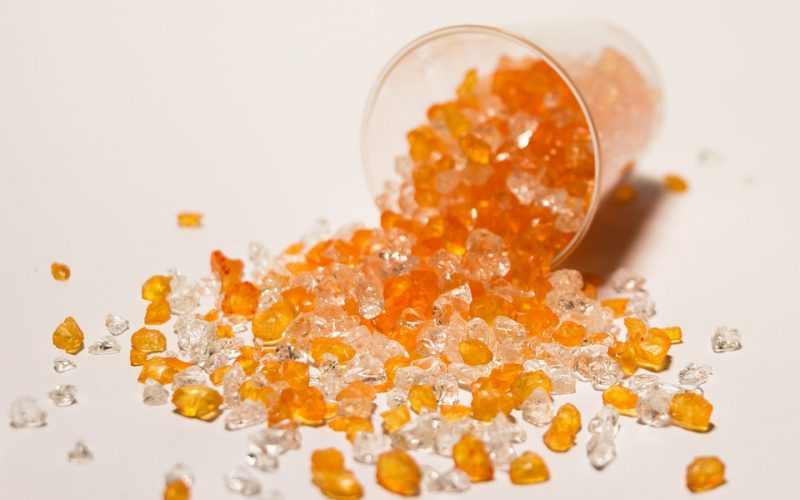
For most people, broken glass means danger—sharp edges, ruined objects, and something that needs to be swept up and discarded. But for artists, it represents something entirely different: potential. Shattered fragments, with their jagged edges and refracted light, have captivated creative minds for centuries. From mosaics to contemporary installations, broken glass has become a powerful medium for artistic expression. But what is it about these fractured pieces that inspire such fascination?
The allure of imperfection
Broken glass embodies the concept of wabi-sabi, a Japanese philosophy that finds beauty in imperfection and impermanence. Unlike pristine materials, broken glass tells a story. Each crack, chip, and fracture is unique—no two pieces are ever the same. This unpredictability appeals to artists who embrace randomness as part of their creative process. The way light dances through broken edges creates unexpected patterns and colours, turning what was once considered waste into something mesmerising.
Transformation and renewal
There's something deeply symbolic about taking something broken and giving it new life. Artists working with broken glass engage in an act of transformation, turning destruction into creation. This resonates on a metaphorical level too—shattered glass can represent personal trauma, societal fractures, or environmental destruction. By reassembling these pieces into art, creators offer a message of hope and resilience. The act itself becomes a meditation on healing and renewal.
Light and colour in motion
Few materials interact with light quite like glass. When whole, glass can be elegant and refined. But when broken, it becomes dynamic. Fragments catch and scatter light in unpredictable ways, creating prismatic effects that shift with the viewer's perspective. Artists exploit this quality to add depth and movement to their work. Whether incorporated into stained glass windows, garden sculptures, or gallery installations, broken glass transforms static pieces into living, breathing artworks that change throughout the day.
A sustainable artistic choice
Environmental consciousness has become increasingly important in the art world, and broken glass offers a sustainable alternative to traditional materials. Many artists source their glass from recycling centres, salvage yards, or even their own homes. By repurposing what would otherwise end up in landfills, they reduce waste whilst creating something beautiful. This eco-friendly approach adds another layer of meaning to the work, aligning artistic vision with environmental responsibility.
Historical roots and modern evolution
The use of broken glass in art isn't new. Ancient Romans created intricate mosaics using glass tesserae, whilst medieval artisans crafted stunning stained glass windows that still inspire awe today. However, contemporary artists have pushed the medium in bold new directions. From Tom Deininger's optical illusion sculptures to Marta Klonowska's life-sized glass animal installations, modern creators are constantly finding innovative ways to work with this challenging material. The tension between fragility and permanence continues to fascinate both artists and audiences.
Finding beauty in unexpected places
Ultimately, artists see beauty in broken glass because they're trained to look beyond the obvious. Where others see rubbish, they see possibility. Where others see danger, they see opportunity. This ability to reframe perspective is at the heart of all artistic practice. Broken glass serves as a powerful reminder that beauty isn't always found in perfection—sometimes it's hiding in the fragments, waiting for someone with vision to piece it together.